High-severity CVE list
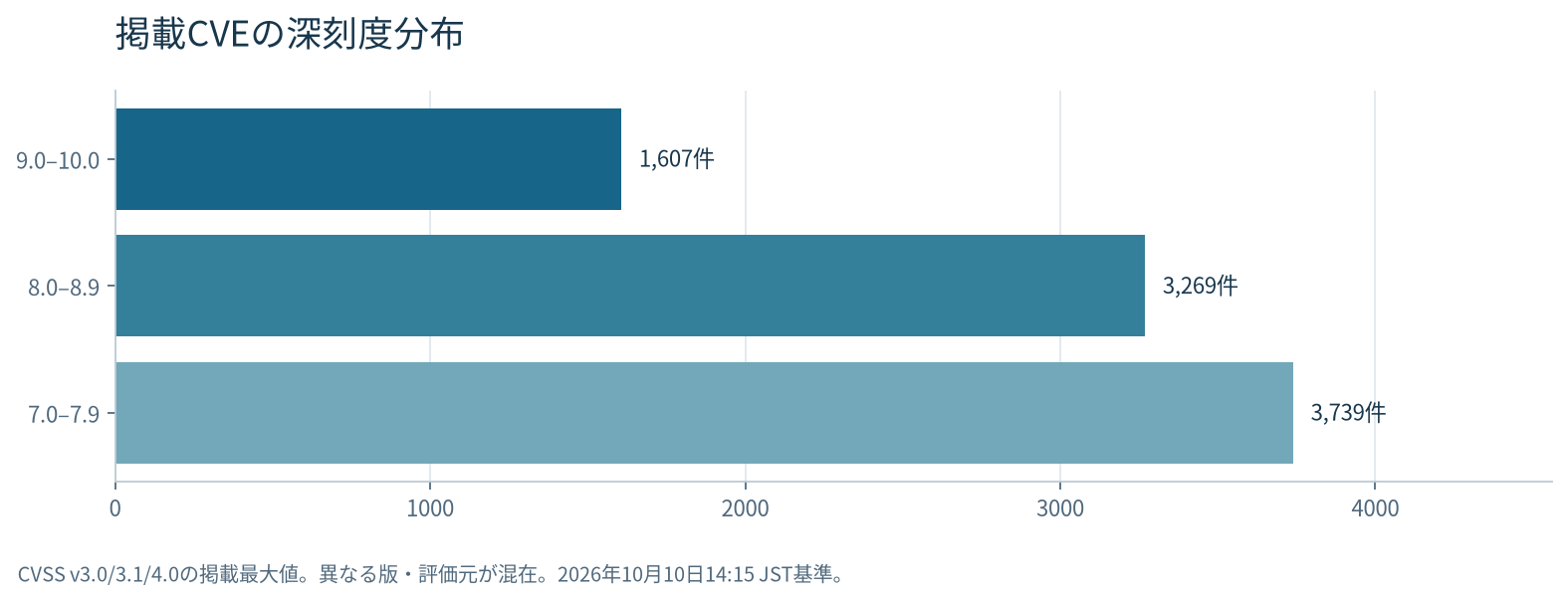
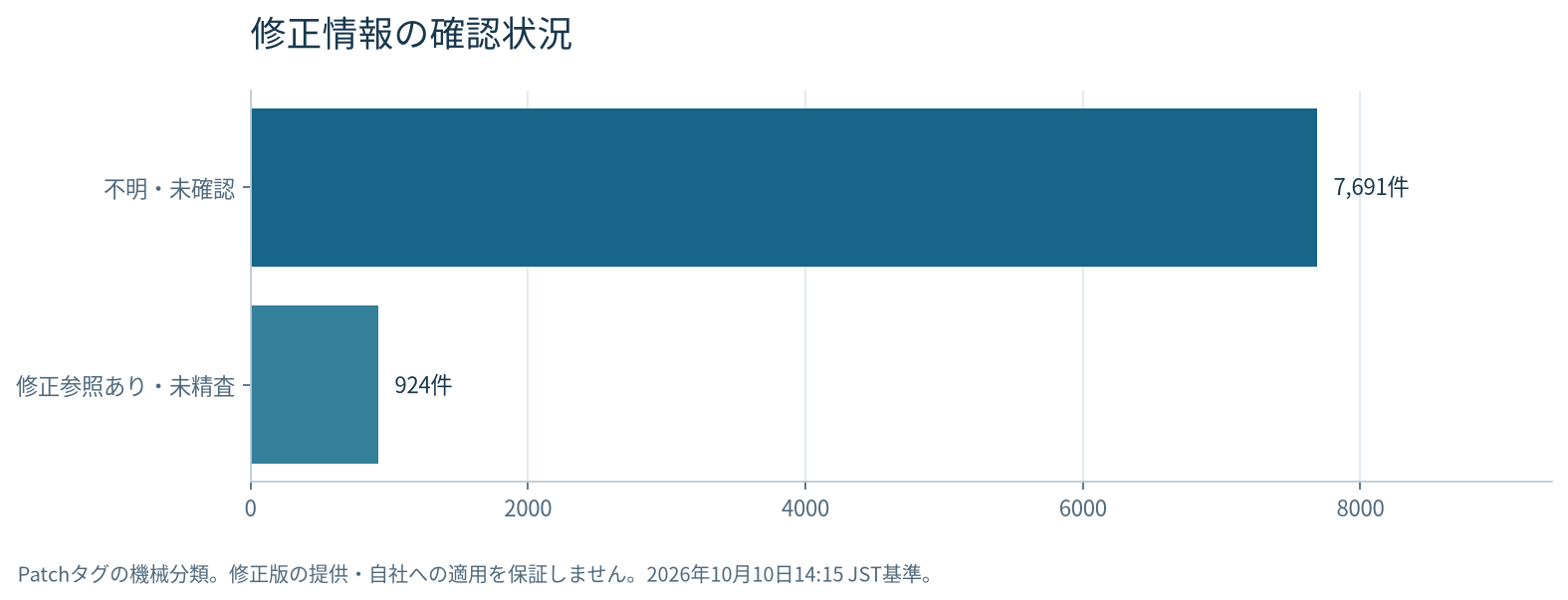
8,615 CVEs are searchable. 1,607 rated CVSS 9.0 or above; 17 are on CISA KEV inside the window. These are not counts of vulnerabilities in this site.
Open the CVE list, search and CSV export (Japanese UI)The data in charts
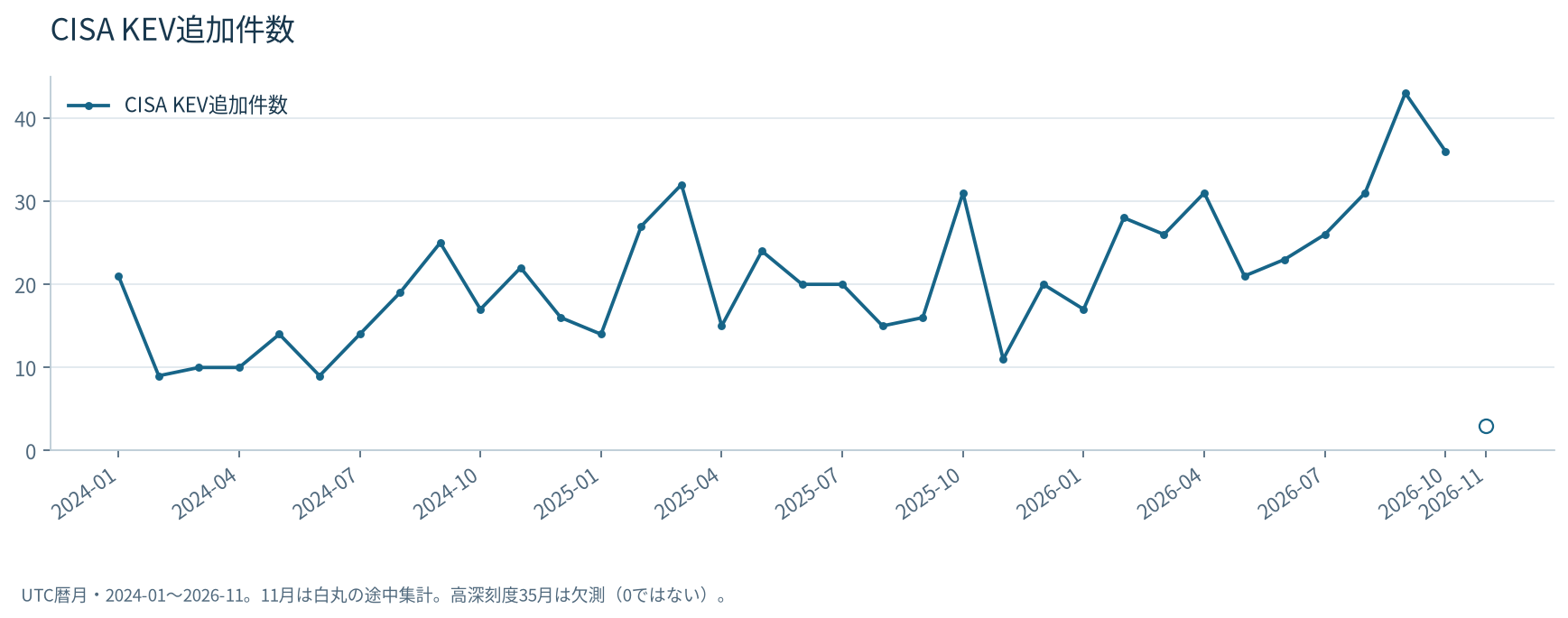
KEV additions over time
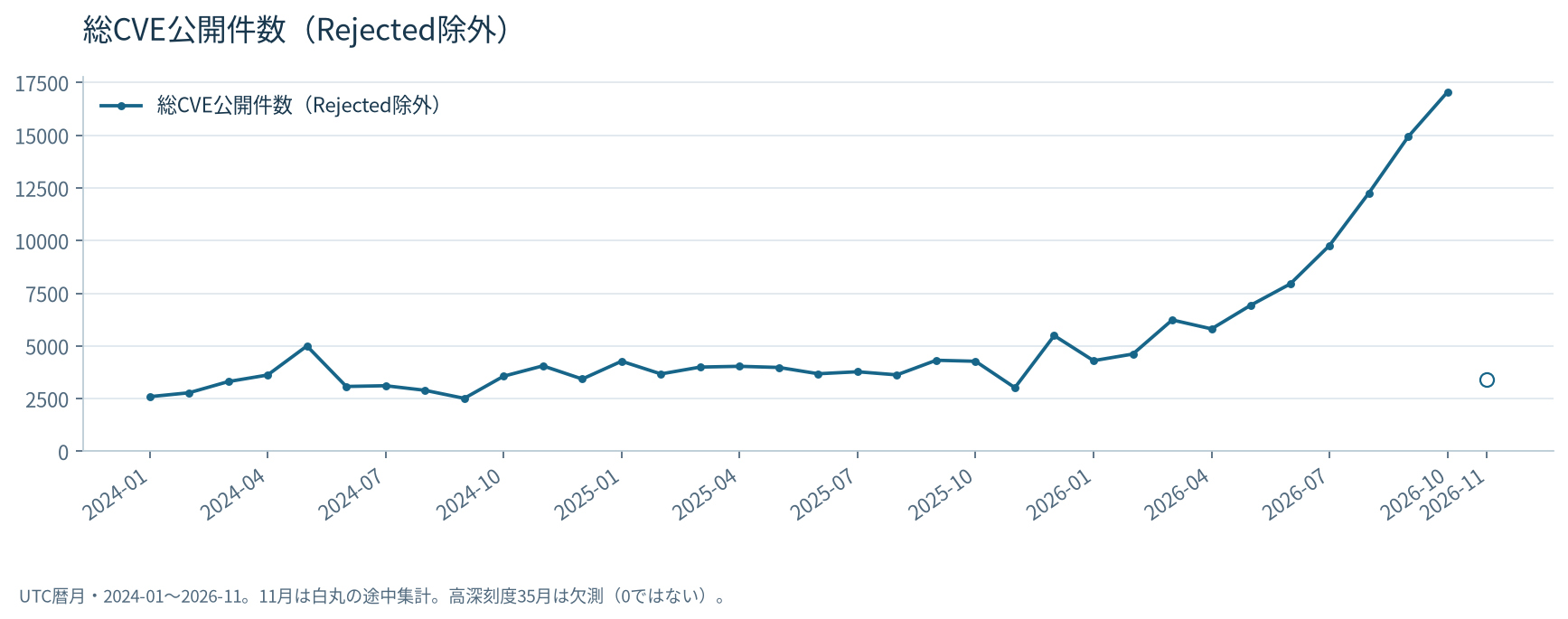
CVE publications over time
Incident statistics
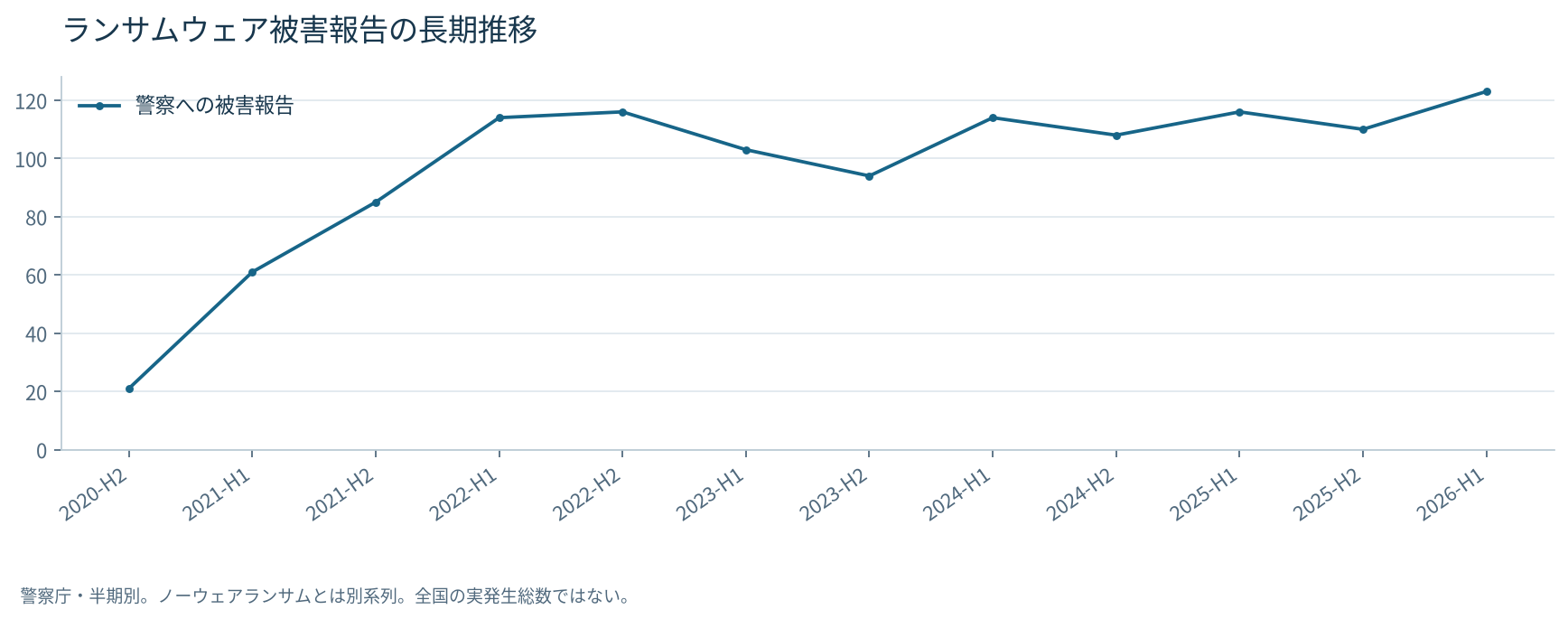
Reports
Site check tool
Checks the response headers and HTML traces of a public page. It is an outside view only and does not guarantee internal configuration or the absence of compromise.
Open the site check tool (Japanese) →AI incidents, breaches and attacks
Incidents, data leaks and attacks involving AI are tracked on a separate page.
Open the AI incident watch →From fearing AI to reducing harm
Separate attacker from defender, and learn conditionally from the measures that actually reduced harm.
Why it feels so loud
Real damage exists; disclosures are increasing and arriving sooner; attackers using AI have appeared. Overlapping does not mean one cause. Evaluate AI use and the root cause of the damage separately, and do not equate more disclosure or more discovery with deterioration.
Do not stop at "be careful" — spread safe defaults
Instead of relying on warnings, make authentication, updates and recovery easier on the service side. That also reduces the burden of telling good from bad on the user.
Share what worked, with conditions
Learn from cases where harm was reduced, together with the scope, period and measures. The fall in fraudulent securities-account trades cited in the source material is not attributed to AI or passkeys alone.
Change the measure to harm and recovery
Weight actual loss, downtime and time to recovery. Do not score more disclosure or more discovery as deterioration.
There is no need to speak of the danger as small. Do not speak of our capacity to respond as small either.
Rather than blame AI, reduce the conditions that let an attack succeed.